Small Second Living Room Space Wall Decor Ideas That Don’t Feel Like an Afterthought
Every home with a second living space seems to develop the same pattern. The main living room gets the good art, the curated gallery wall, the colour palette someone actually planned. The second living room — the den, the bonus room, the family room off the kitchen — gets whatever didn’t fit anywhere else. A leftover mirror. A poster from a decade ago. Blank walls that everyone means to deal with eventually.
This happens for an understandable reason: the second living space usually isn’t the room guests see first, so it gets less design attention by default. But that’s actually an opportunity, not just a neglect pattern. A second living room, precisely because it’s less formal and less on display, is often the best room in the house for wall decor that’s more personal, more playful, or more experimental than what would work in the main living room.
The wall decor ideas here are built specifically for a small second living space — a room that’s probably compact, probably serves a slightly different function than your primary living room (media, kids, hobbies, guests), and probably deserves more consideration than it’s currently getting. None of these require a large budget or a full redesign. They’re specifically about making the walls do real work in a room that’s easy to under-decorate simply because it’s not the “main” space.
Start With What This Room Actually Needs From Its Walls
Before specific decor ideas, it’s worth being clear about what a second living room’s walls need to accomplish, because this differs meaningfully from a primary living room’s walls.
The room is probably smaller and more functional-first. A second living room frequently doubles as a media room, playroom, home office, or guest space, which means the walls need to support that function — hiding cables, providing storage, defining the room’s use — as much as they need to look good.
It’s often viewed from fewer angles and shorter distances. A compact second living room means most wall decor gets seen up close and from a limited number of vantage points, which changes what works — smaller, more detailed pieces read better here than they might in a larger room viewed from across a bigger space.
It can carry more personality with less risk. Because this room isn’t the one guests see first, it’s a lower-stakes space to experiment with bolder color, more personal collections, or a style that diverges from the rest of the home’s aesthetic — a genuine advantage worth taking, rather than defaulting to the same safe choices used everywhere else.
Small Second Living Room Wall Decor Ideas for the TV Wall
Build Decor Around the TV Rather Than Ignoring It
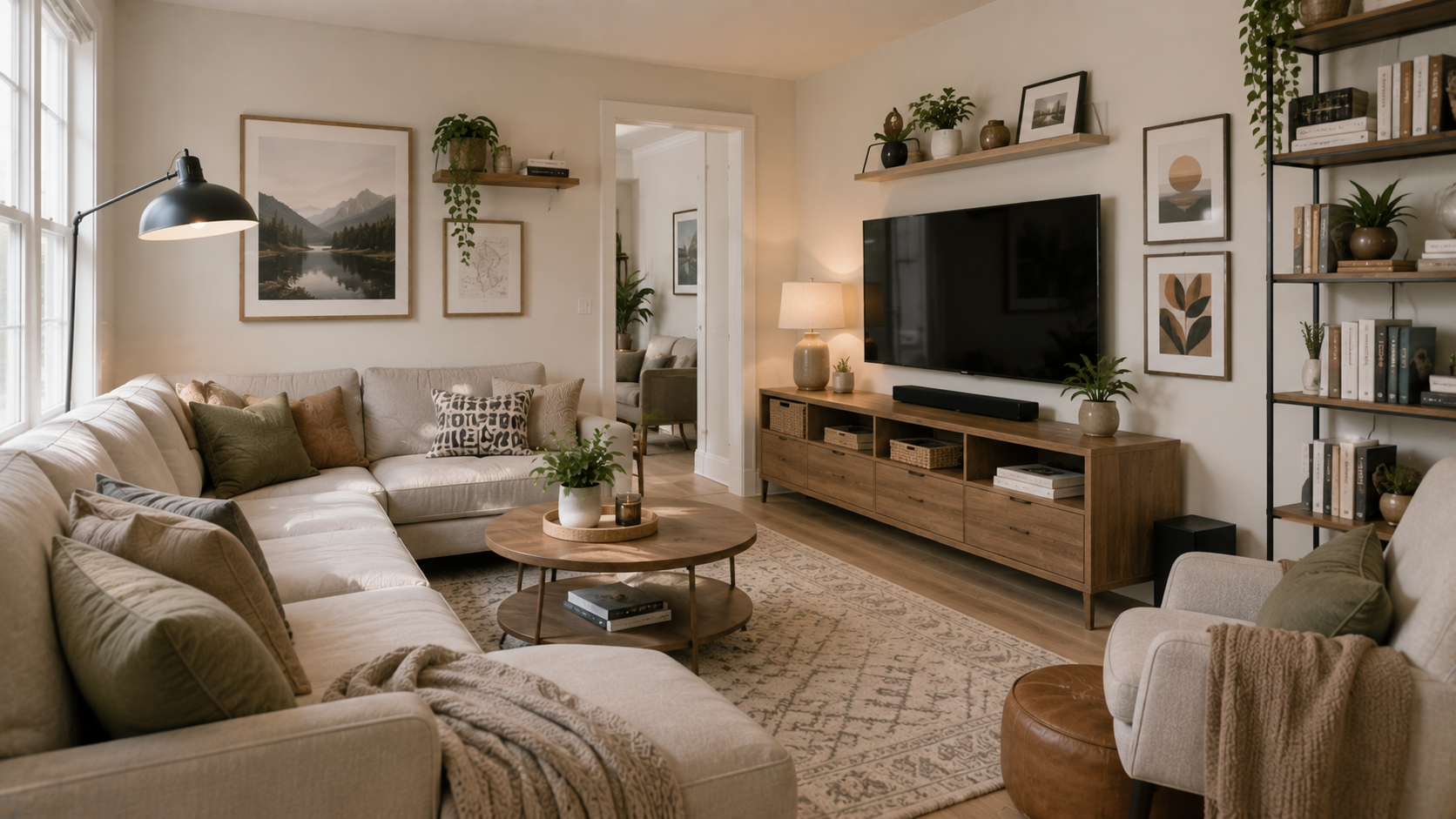
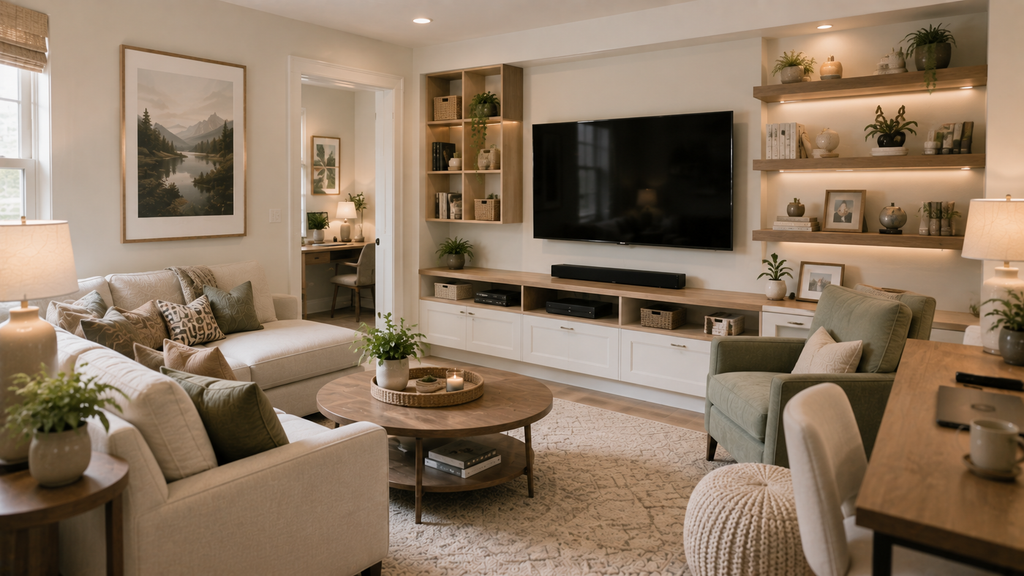
In most second living rooms, the TV is the dominant wall feature whether the decor plan accounts for it or not. Rather than treating the TV as an unfortunate necessity to work around, integrate it into the wall’s overall composition.
A gallery arrangement around a wall-mounted TV — frames, art, and the screen itself treated as one cohesive grouping rather than the TV floating alone on an otherwise bare wall — makes the screen feel like part of the room’s design rather than an intrusion into it. Keep the frames relatively small and use a mix of two or three heights so the arrangement reads as intentional rather than crowded.
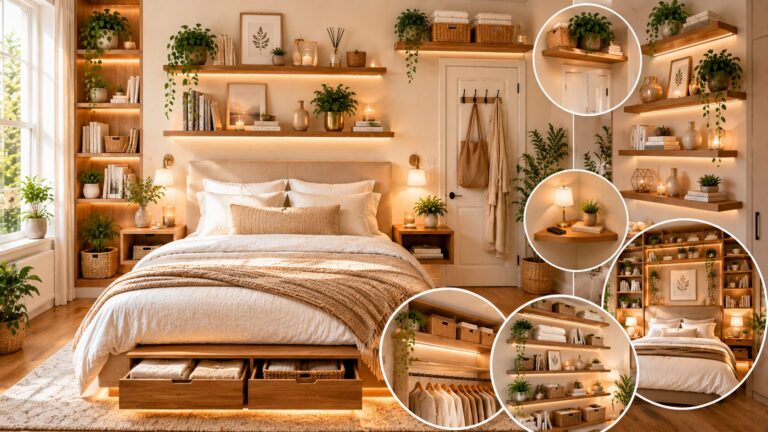
Floating shelves flanking the TV provide both display space and practical storage (media equipment, books, decorative objects) while framing the screen with visual interest on either side. This works particularly well in a compact second living room, since the shelves add function the room likely needs anyway.
A frame TV or art-mode display, if budget allows, turns the screen itself into a rotating piece of wall art when not actively in use for viewing — a genuinely effective solution for a room where the TV would otherwise dominate an entire wall’s visual field.
Cable Management as Part of the Decor Plan
A wall-mounted TV with visible cables undercuts any wall decor effort around it. A cable management channel or raceway (15–25) running from the TV down to an outlet or power strip, painted to match the wall color, removes this visual distraction and lets the rest of the wall decor actually read as intentional.
Small Second Living Room Wall Decor Ideas for Gallery Walls
Use the Lower-Stakes Nature of the Room to Your Advantage
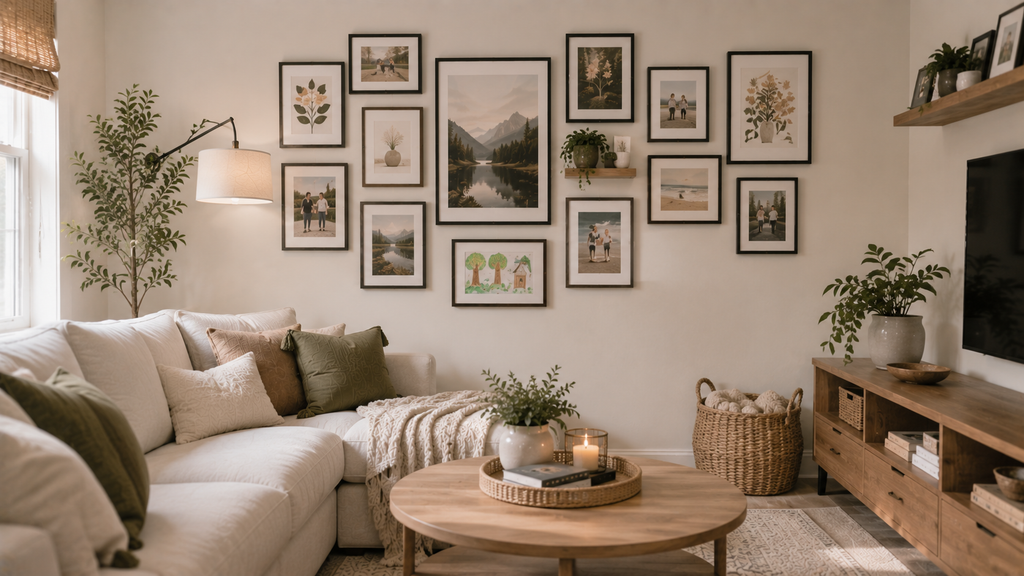
Since a second living room carries less pressure to look a certain way for guests, it’s a genuinely good candidate for a more personal, less curated gallery wall than you might attempt in the main living room — family photos, kids’ artwork, travel souvenirs, or a mixed collection built over time rather than purchased and arranged all at once.
Keep Frame Style Cohesive Even When Content Is Varied
The technique that makes an eclectic gallery wall look intentional rather than random: consistent frame color or material (all black, all natural wood, all thrifted-and-painted-the-same-color) even when the content inside varies significantly in style, source, and subject matter. This single unifying choice does more to make a varied collection look curated than almost any other decision in the arrangement.
Build It Incrementally
Unlike a main living room gallery wall, which often gets planned and installed as a complete unit, a second living room gallery wall is well suited to growing over time — start with three or four pieces, leave intentional space for more, and add to it as new photos, art, or finds come along. This approach also keeps the upfront cost low, since you’re not committing to filling an entire wall’s worth of frames in a single purchase.
Low-Stakes Hanging Methods
Since a second living room’s decor is often more casual and evolving, adhesive strips (rated for the frame’s weight) rather than nails allow easier rearranging as the collection grows or changes, without accumulating wall damage from repositioning pieces multiple times.
Small Living Room Wall Decor Solutions for Function-First Rooms
Pegboard for Hobby or Craft-Adjacent Second Living Rooms
If the second living room doubles as a craft space, a home gym corner, or a hobby room, a pegboard section on one wall provides genuinely useful, reconfigurable storage that also functions as a decor element in its own right — the tools, supplies, or equipment displayed on it become part of the room’s visual character rather than clutter to hide.
A Chalkboard or Whiteboard Wall for Family or Kid-Focused Rooms
For second living rooms used by kids, or as a family homework and planning space, a section of chalkboard or whiteboard paint (or a mounted panel, for a renter-friendly option) turns a wall into functional space — a family calendar, kids’ drawings, a running to-do list — while adding genuine visual interest and personality that a static piece of art can’t provide.
Floating Shelves for Books and Games
A second living room frequently needs to store board games, books, or media in a way the main living room doesn’t, and floating shelves handle this storage need while functioning as decor — the spines of books and the graphic covers of board game boxes add color and texture to the wall without requiring separate decorative objects.
A Cork or Fabric Memo Board for Rotating Display
For second living rooms that serve as a family gathering or planning hub, a large cork board or a fabric-covered memo board (easily DIY’d with a piece of foam board and fabric) provides a spot for rotating photos, kids’ school papers, tickets, and other ephemera — a genuinely useful function dressed as decor, which suits a second living room’s more casual, functional character well.
Small Second Living Room Wall Decor: Color and Texture Choices
A Bolder Accent Wall Than You’d Use in the Main Living Room
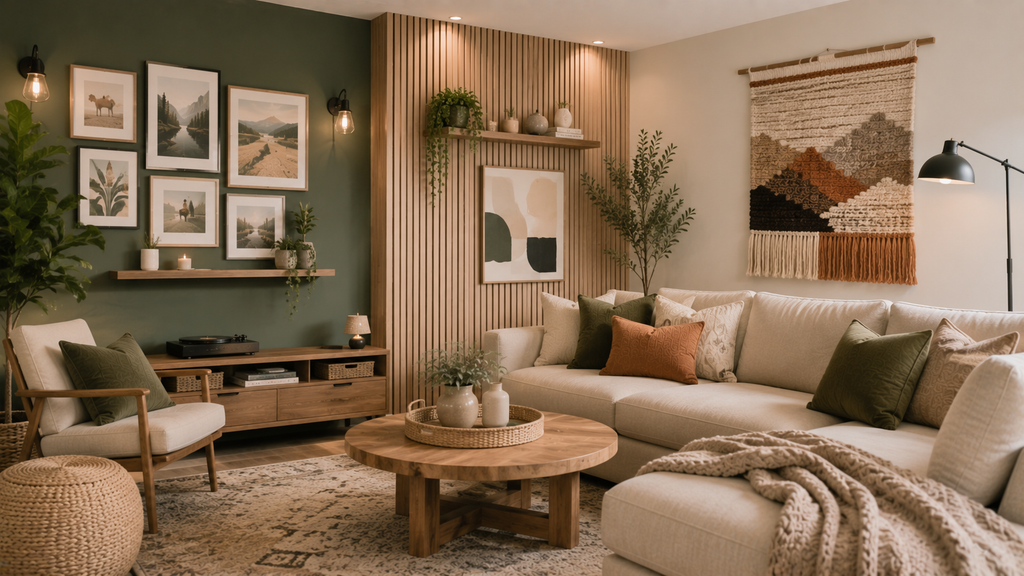
Because a second living room carries lower design stakes, it’s a good candidate for an accent wall in a bolder or more saturated color than you might choose for a primary space — a deep forest green, a rich terracotta, even a patterned wallpaper — since the room’s more private, functional character absorbs a stronger design statement better than a room designed primarily for guests.
Textured Wall Treatments for Visual Interest Without Color
For second living rooms where a bold color feels like too much, textured treatments — a section of shiplap, wood paneling, or a textured plaster finish on one wall — add visual interest and a sense of intentional design without requiring a color commitment. These treatments also tend to hide the wear and scuffs that a more heavily used, casual second living room accumulates faster than a formal living room does.
Woven and Textile Wall Hangings
A large woven wall hanging, a macramé piece, or a textile tapestry adds warmth and texture to a second living room’s walls without requiring any hanging hardware beyond a simple rod or hook — a low-commitment way to introduce color and pattern that’s easy to change out later if the room’s use or your taste shifts.
Small Second Living Room Wall Tricks for Making the Space Feel Bigger
Vertical Elements to Draw the Eye Upward
As in any small room, floor-to-ceiling elements — tall, narrow art pieces, floor-to-ceiling curtains if the room has windows, vertically oriented shelving — stretch the room’s perceived height, which matters proportionally more in a genuinely compact second living space than it would in a larger primary room.
Mirrors Positioned for Function and Depth
A mirror in a second living room does the same space-expanding work it does everywhere else, and it’s worth prioritizing here specifically if the room lacks the abundant natural light a primary living room might have — positioning a mirror to reflect whatever light source exists (a window, a bright lamp) maximizes the room’s available brightness.
Light, Reflective Wall Colors Behind Bolder Accent Choices
If you’re using a bold accent wall (as covered above) on one wall, keeping the remaining walls in a lighter, more reflective color balances the room’s overall brightness and prevents the bold choice from making the whole room feel smaller — a technique that lets you have a strong design statement without sacrificing the room’s sense of openness entirely.
Budget-Friendly Small Second Living Room Wall Decor
Thrift and Secondhand for Frames and Art
As with wall decor throughout small-space guides generally, thrift stores and estate sales offer the best value for frames specifically, since the retail markup on frames is often dramatic relative to their manufacturing cost. A second living room’s more casual, evolving gallery wall (covered above) is particularly well suited to this sourcing strategy, since the room doesn’t require a fully matched or high-end aesthetic to feel considered.
Removable Wallpaper for Low-Risk Pattern
Peel-and-stick wallpaper on a single accent wall or even just a small feature area (behind a shelving unit, within a section of molding) delivers meaningful visual impact for a relatively modest cost, and its removability makes it a particularly good fit for a second living room where the function or aesthetic might shift more over time than a primary living room’s would.
DIY Wall Art for a Personal Touch at No Cost
A second living room’s lower-stakes character makes it a good home for DIY wall art — a large abstract piece painted on canvas, a fabric panel stretched over a simple frame, or even a well-arranged collection of postcards or ephemera — projects that might feel too casual or imperfect for a primary living room but suit a family or bonus space’s more relaxed character well.
Quick Reference: Small Second Living Room Wall Decor Ideas
TV wall:
- Gallery arrangement built around the TV rather than ignoring it
- Floating shelves flanking the screen for storage and display
- Cable management channel, painted to match the wall
Gallery walls:
- More personal, evolving content since the room carries lower design stakes
- Consistent frame color/material even with varied content
- Adhesive hanging strips for easy rearranging as the collection grows
Function-first walls:
- Pegboard for hobby or craft rooms
- Chalkboard/whiteboard for family or kid-focused spaces
- Floating shelves for books and games
- Cork or fabric memo board for rotating family display
Color and texture:
- A bolder accent wall than you’d risk in the main living room
- Textured treatments (shiplap, paneling, plaster) for interest without color
- Woven or textile wall hangings for low-commitment warmth
Making it feel bigger:
- Vertical elements (tall art, floor-to-ceiling curtains) to stretch height
- Mirrors positioned toward the room’s best light source
- Light walls balancing any bold accent choice
Budget-conscious sourcing:
- Thrift and secondhand for frames specifically
- Removable wallpaper for low-risk pattern and color
- DIY wall art for a personal touch at minimal cost
Conclusion
Small second living room space wall decor ideas work best when they embrace what actually makes this room different from your main living space, rather than trying to make it a smaller, lesser copy of the primary room. A second living room’s walls can be more personal, more functional, and more experimental — a gallery wall that grows over time, a bolder accent color, a pegboard or chalkboard section that earns its place through real use rather than pure decoration.
The TV wall, often the room’s dominant feature, works better as an integrated part of the wall’s design than as something decor has to work around. Function-first solutions — floating shelves, memo boards, hobby storage — turn practical necessities into genuine decor. And because this room carries lower design stakes than the space guests see first, it’s a legitimately good place to try color, texture, or a gallery wall style you might hesitate to commit to elsewhere in the home.
None of this requires a significant budget. Thrift sourcing for frames, removable wallpaper for an accent wall, and DIY art all deliver real visual impact at low cost, and they suit this room’s more casual, evolving character particularly well.
Start with whichever wall in the room currently bothers you most — often the TV wall, since it tends to be left blank by default — and build outward from there. A small second living room, decorated with this much intention, stops being the room that got whatever was left over and becomes a space with real character of its own.
Frequently asked questions:
How do I decorate around a TV in a small second living room without it dominating the wall?
Build a gallery arrangement around the wall-mounted TV rather than leaving it isolated on an otherwise bare wall — a mix of small to medium framed pieces at two or three different heights, positioned around the screen, makes it read as one cohesive composition instead of a technology intrusion. Floating shelves on either side of the TV add both storage and visual balance. A cable management channel, painted to match the wall, removes the visible cord clutter that undercuts any decor effort around the screen. If budget allows, a frame-style TV or art-mode display turns the screen into a rotating piece of art when not in active use, which is a particularly effective solution for a wall where the TV would otherwise be the only visual feature.
What makes a second living room gallery wall different from a main living room one?
A second living room’s gallery wall can be more personal and less formally curated, since the room carries lower design stakes than the space guests typically see first — family photos, kids’ artwork, and a mixed, evolving collection all suit this room well in a way they might feel too casual for a primary living space. It’s also well suited to building incrementally over time rather than planning and installing a complete arrangement all at once, since the room’s more relaxed character doesn’t require the same immediate, fully finished look. The one technique that carries over from any gallery wall: keeping frame color or material consistent even when the content inside varies significantly, which makes a personal, evolving collection still read as intentional rather than random.
Can I use a bolder wall color in a second living room than I would in my main living room?
Yes, and it’s often a good idea specifically because this room carries lower design stakes — a second living room’s more private, functional character absorbs a stronger color statement (a deep forest green, a rich terracotta, a bold wallpaper pattern) better than a primary living room designed with guests’ first impressions in mind. If you’re using a bold accent wall, keeping the remaining walls in a lighter, more reflective colour balances the room’s overall brightness and prevents the bold choice from making a small space feel noticeably smaller — this lets you make a real design statement without sacrificing the room’s sense of openness.
What wall decor works well for a second living room used as a playroom or family space?
Function-first wall treatments tend to work best here: a chalkboard or whiteboard section (paint or a mounted panel) for a family calendar or kids’ drawings, floating shelves for books and games that also add color and texture as decor, and a cork or fabric memo board for rotating photos, school papers, and other family ephemera. These solutions genuinely earn their place through daily use rather than existing purely as decoration, which suits a family-focused second living room’s practical character while still contributing real visual interest to the walls.
How do I decorate a small second living room’s walls on a tight budget?
Thrift stores and estate sales offer strong value specifically for frames, since retail frame markup is often dramatic relative to manufacturing cost — this pairs well with the room’s suitability for a more personal, evolving gallery wall rather than a fully matched, expensive arrangement. Removable peel-and-stick wallpaper on a single accent wall or a smaller feature area delivers meaningful visual impact for modest cost and remains a low-risk choice since it’s fully reversible. DIY wall art — a painted canvas, a stretched fabric panel, or an arranged collection of postcards or ephemera — suits a second living room’s generally more relaxed, lower-stakes character particularly well, since imperfections or a more casual execution read as charming here in a way they might not in a more formal primary living space.